

Endodontic Services
Endodontic procedures in Kenmore and Greater Seattle
- Treatment Overview
- Root Canal Therapy
- Endodontic Retreatment
- Endodontic Surgery
- Cracked Teeth
- Traumatic Injuries
- Advanced Technology
Treatment Overview for Endodontic Services
As an endodontic patient, what should I expect?
Dr. Elena, an experienced endodontic doctor, will perform a comprehensive examination of your teeth to aid in diagnosing your pain and pulpal injury and determine if the tooth is a good candidate for endodontic therapy. She will provide a complete explanation of your diagnosis and treatment options as well as a review of any anticipated follow up with our office or your general dentist.
If needed, non-surgical root canal treatment will be performed under the microscope by Dr. Elena to eliminate the diseased pulp. This injured pulp is removed from within your tooth and the root canal system is thoroughly cleaned and sealed.
Under certain circumstances, endodontic retreatment or endodontic microsurgery may be indicated. Due to their complexity, oftentimes these will be performed at a separate appointment. We are experts in performing these procedures, and utilize sophisticated equipment to ensure the best results.
Endodontic Presentation
To provide you with a better understanding of endodontic procedures, we have provided the following multimedia presentation. Many common questions pertaining to root canal therapy are discussed.
Root Canal Therapy
What is a root canal?
A root canal is one of the most common endodontic services performed, well over 14 million every year. This simple treatment can save your natural teeth and prevent the need of dental implants or bridges.
At the center of your tooth is the pulp. The pulp (or “nerve”) is a collection of blood vessels, connective tissue, and nerves that help to build the surrounding tooth. Irritation to the pulp can be caused by trauma to the tooth, deep decay, cracks, or repeated dental procedures. Symptoms of the inflamed or infected pulp can be identified as a sensitivity to temperature, chewing, spontaneous pain in the tooth and gums and swelling.
If you experience any of these symptoms, your dentist will most likely recommend non-surgical root canal treatment to eliminate the diseased pulp. The injured pulp tissue is removed and the root canal system is thoroughly cleaned and sealed. This therapy usually involves only local anesthesia (“novocaine”) and is usually completed in one visit depending on the treatment required. The success rate for this type of treatment is over 90%. If your tooth is not amenable to endodontic treatment or the chance of success is unfavorable, you will be informed by Dr. Elena, an endodontic doctor at Northshore Endodontic Clinic in Kenmore, WA, at your consultation or if a complication becomes evident during or after treatment. In this event, there are other procedures that may be required. We use special deep numbing local anesthesia techniques to prevent discomfort during your treatment. We also provide other patient comfort items to help you relax during your procedure. You will be able to drive home after your treatment, and you probably will be comfortable returning to your normal routine.
For further information or to book an appointment for endodontic services, please, contact our endodontic office.
Endodontic Presentation
To provide you with a better understanding of endodontic procedures, we have provided the following multimedia presentation. Many common questions pertaining to root canal therapy are discussed.
What happens after treatment?
When your root canal therapy has been completed, a record of your treatment will be sent to your restorative dentist. You should contact their office for a follow-up restoration within a few weeks of completion at our office. Your restorative dentist will decide on what type of restoration is necessary to protect your tooth. It is rare for endodontic patients to experience complications after routine endodontic treatment or microsurgery. If a problem does occur, however, we are available at all times to respond. To prevent further decay, continue to practice good dental hygiene. If you’d like to learn more about root canal treatment, you can watch this short educational video
Endodontic Retreatment
With the appropriate care, your teeth that have had endodontic treatment will last as long as other natural teeth. Yet, a tooth that has received treatment may fail to heal or pain may continue to exist. Sometimes, the pain may occur months or years after treatment. If so, Endodontic Retreatment may be needed.
Why Retreatment May Be Needed
- Curved or narrow canals that were not fully treated during the initial procedure
- Complex canal anatomy that went undetected the first time
- Delay in placing a crown or restoration after treatment
- A leaking crown or restoration that allowed saliva and bacteria to re-enter the tooth
New Problems That Can Affect a Treated Tooth
Even a tooth that initially healed well may require retreatment later due to:
- New decay, which can expose the previous filling and cause infection
- Cracked or loose crowns or fillings, which allow bacteria to enter the root canal system again
What to Expect During Retreatment
If retreatment is recommended, your doctor will gently reopen the tooth to access and remove the existing root canal filling. The canal spaces are then carefully examined under a dental microscope, thoroughly cleaned, disinfected, and sealed again.
After the procedure:
- A temporary or permanent filling will be placed to close the tooth
- If your existing crown is compromised, your dentist will replace it to restore full strength and function
To ensure the best long-term result, it’s important to return to your dentist promptly for your final crown or restoration.
If you’d like to learn more about root canal retreatment, you can watch this short educational video
Endodontic Surgery
Why would I need Endodontic Surgery?
- Locate hidden or curved canals that don’t appear on X-rays
- Treat tiny fractures or damaged root surfaces
- Remove infected tissue that remains around the tip of the root
- Repair bone around the tooth that hasn’t healed properly
Generally, a root canal is all that is needed to save teeth with injured pulp from extraction. Occasionally, this non-surgical procedure will not be sufficient to heal the tooth and your endodontist will recommend surgery. Endodontic surgery can be used to locate fractures or hidden canals that do not appear on x-rays but still manifest pain in the tooth. Damaged root surfaces or the surrounding bone may also be treated with this procedure. The most common surgery used to save damaged teeth is an apicoectomy or root-end resection.
What Happens During Endodontic Surgery
Here’s what to expect:
- Removing the Infection
The doctor makes a small incision in the gum to access the bone and remove the infected or inflamed tissue at the root tip. - Cleaning and Sealing
The end of the root is gently trimmed, and a biocompatible filling is placed to seal the canal and prevent reinfection. - Suturing the Area
Bone graft accurately put into previously infected area of the bone and carefully covered with resorbable membrane. The gum tissue is carefully repositioned and sutured to aid proper healing. - Healing and Recovery
Over the next few months, the bone naturally regenerates around the root, restoring the tooth’s full function and strength.
After the Procedure
Cracked Teeth
A cracked tooth can cause a variety of symptoms — from sharp pain when chewing to sensitivity to hot or cold, or even discomfort that comes and goes. Because these symptoms may be inconsistent, cracked teeth can be difficult to diagnose without a thorough examination.
Cracked teeth demonstrate many types of symptoms, including pain when chewing, temperature sensitivities, or even the release of biting pressure. It is also common for pain to come and go, making it difficult to diagnose the cause of discomfort.
When you chew, the pressure causes the cracked parts of the tooth to move, irritating the inner pulp. When you release your bite, the crack closes, creating a sharp, sudden pain.
Over time, the pulp can become inflamed or infected, causing constant pain even when you’re not chewing. If left untreated, the infection may spread to the surrounding bone and gum tissue.
Types of Tooth Cracks
1. Craze Lines
Tiny, shallow cracks that affect only the outer enamel.
They’re common in adults, purely cosmetic, and don’t require treatment.
2. Fractured Cusp
Occurs when part of the chewing surface (the cusp) breaks off due to a weakened structure.This type of fracture rarely affects the pulp, so root canal treatment is usually not needed.Your dentist will typically restore the tooth with a full crown for strength and protection.
3. Treatable Cracked Tooth
This crack starts from the chewing surface and extends vertically toward the root.If the crack reaches the pulp or root, root canal treatment is typically required to save the tooth.Without treatment, the crack can worsen, leading to tooth loss — so early detection is key.
4. Split Tooth
A split tooth usually develops from an untreated cracked tooth.It appears as a tooth separated into distinct segments.Although the entire tooth cannot be saved, in some cases, your endodontist and dentist may work together to preserve part of the tooth through root canal treatment and restoration.
5. Vertical Root Fracture
This type of fracture begins at the root and moves upward toward the chewing surface.Because it often shows few or no symptoms, it can go unnoticed until infection develops.If detected early, endodontic surgery may save part of the tooth by removing the fractured root.
Otherwise, extraction may be necessary.
When to See an Endodontist
If you experience pain when chewing, sensitivity to temperature, or unexplained discomfort, schedule an evaluation. Early diagnosis and treatment greatly improve the chances of saving your tooth.
Traumatic Injuries
Dental injuries can happen suddenly — during sports, accidents, or even a simple fall.Prompt treatment is essential to save the tooth and prevent future complications.Your endodontist specializes in treating dental trauma, helping restore both comfort and function.
Dislodged Teeth
When a tooth is pushed deeper into the socket or partially pushed out, your endodontist or general dentist will gently reposition and stabilize it.
- If the pulp (nerve) inside the tooth is damaged, root canal treatment is usually started within a few weeks after the injury.
A medicated dressing such as calcium hydroxide may be placed inside the tooth before a permanent filling is completed. - If the pulp remains healthy, no further treatment may be needed.
However, it’s important to monitor the tooth over time, as damage or infection can develop later.
Without proper treatment, complications may include:
- Infection of the tooth or surrounding tissues
- Gum irritation and hygiene difficulties
- Eventual tooth loss
Injuries to the mouth can cause teeth to be pushed back into their sockets. Your endodontist or general dentist may reposition and stabilize your tooth. Root canal treatment is usually started within a few weeks of the injury and a medication, such as calcium hydroxide, will be placed inside the tooth. Eventually, a permanent root canal filling will be implanted.
Permanent Avulsed (Knocked-Out) Teeth
If an injury causes a tooth to be completely knocked out of your mouth, it is important that you are treated immediately! If this happens to you, keep the tooth moist. If possible, put it back into the socket. A tooth can be saved if it remains moist. You can even put the tooth in milk or a glass of water (add a pinch of salt.) Your Endodontist may start root canal treatment based upon the stage of root development. The length of time the tooth was out of your mouth and the way the tooth was stored, may influence the type of treatment you receive.
If a tooth is completely knocked out, time is critical — seek treatment immediately!
To improve the chances of saving the tooth:
- Keep the tooth moist at all times.
- If possible, place it gently back in the socket.
- If that’s not possible, keep it in milk or saliva( keep in under the cheek) is usually available. Avoid letting the tooth dry out!
- Go immediately to the dentist.
- Do not scrub or handle the root.
- Visit your endodontist or dentist right away.
- Keep the tooth moist at all times.
Your doctor will determine whether root canal treatment is needed based on your age, how long the tooth was out, and how it was stored.The faster you receive care, the better the chance of saving the tooth.
Download ToothSOS app https://iadt-dentaltrauma.org/what-does-the-injury-looks-like/
Injuries in children
Apexogenesis
If the pulp is still alive, a medicated dressing is placed over it to stimulate healing and allow the root to keep developing naturally.
As the child grows, the root tip (apex) closes and the canal walls thicken, strengthening the tooth.If the pulp heals properly, no further treatment is needed.
Apexification
If the pulp is no longer healthy, it is removed and a medication is placed inside the root to encourage the formation of a hard tissue barrier near the root tip.
This allows the tooth to be sealed with a root canal filling.Because root growth stops after this procedure, the tooth may be more prone to fracture — so proper restoration by your dentist is essential.
Pulp Regeneration (Regenerative Endodontic Procedure)
This advanced treatment is designed for young teeth whose pulp has died before the root fully formed.
Using the body’s own regenerative cells, your endodontist stimulates the growth of new, pulp-like tissue inside the tooth.
With time, this allows the root walls to thicken, strengthening the tooth for the future.
When to Seek Help
If you or your child experiences dental trauma, contact an endodontist immediately.Quick action can make the difference between saving and losing a tooth.
Advanced Technology
Patient Benefits
Our specialty practice is committed to excellence and using the latest state-of-the-art technology available to enhance patient care. Advanced training and use of new technologies result in a positive patient experience and make root canal treatment more effective and predictable. By using these advancements Dr. Elena is able to render a more conservative treatment while providing for a thorough, biologically sound treatment of your tooth.
The following are some of the important advances we use to better serve our patients:

By using computerized digital x-rays, we can reduce the radiation to our patients by nearly 90%. A comfortable sensor pad is used, instead of film, to capture an instant image, which also means shorter appointments for our patients. Because they’re digital, these x-rays can be enhanced by the computer for improved visualization and diagnosis. A printed report, including these x-rays, is sent to your dentist after your visit with us.
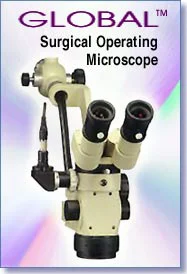
Dr. Elena uses a special microscope during treatment to allow for enhanced vision through illumination and magnification. This technology greatly improves the doctor and assistant’s view inside the tooth facilitating a more thorough treatment, especially in locating calcified canals and diagnosing root fractures.
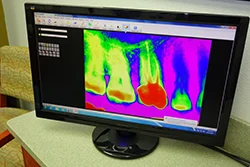
Through the microscope we are able to take digital pictures of your tooth. These pictures can be sent to your dentist for increased communication of your specific needs. This helps bridge the gap between our office and your referring dentist.
Instead of using a drill inside your tooth, this device vibrates a diamond coated metal tip at high frequency. Because it is very small, it can be used under the microscope for precise removal of small amounts of tooth or fillings, allowing for conservative treatment of your tooth. Dr. Elena also uses quiet electric handpieces (drills) to help eliminate the sound of the dental drill.
This device helps Dr. Elena to precisely measure the length of the tooth’s roots electronically for complete cleaning of the tooth. Since it is very accurate, it reduces the number of x-rays normally needed during the procedure. Used along with digital x-rays, this device lowers patient radiation exposure even further. The use of advanced training with new technologies help us to provide treatment that is safer, faster and more effective for our patients.
Cleaning of the root canal space and its many minute complexities is an important aspect to a successful outcome. Dr. Elena uses a device that utilizes sonic energy to energize irrigating solutions to help disrupt and remove pulp debris and bacteria from the root canal spaces.
Root canal cements or sealers from the past were irritating to the surrounding tissues. Dr. Elena uses a 100% biocompatible sealing material called Bioceramic, which assures the best seal while having been shown to be nontoxic, antimicrobial, causing minimal inflammation and also stimulating bone growth. This material provides your body an excellent chance to repair itself following our treatment and restore function to your tooth.
Having access to Cone Beam CT imaging allows Dr. Elena the capabilities to see your tooth in 3D. This aids her in detecting and treating complex root anatomy, calcified and extra canals in your tooth that would not be easily seen by conventional 2D digital x-rays. It can also help in complex diagnosis of more difficult cases such as upper teeth near the sinus cavity and cheek bone where traditional x-rays can sometimes be limited. Watch video here.
Conserving tooth structure during the root canal procedures is important to avoid weakening of the root and potential tooth fractures. Recent scientific improvements in material science has provided us a revolutionary advancement in root canal therapy through an instrument called TruShape 3D Conforming Files (Dentsply Inc.). Due to their decreasing taper and unique shape, these instruments remove less of the tooth during use as compared to standard file instruments. Since it contacts a higher percentage of the canal wall, more bacteria are removed by the disruption of their home or “biofilm”. The super elastic properties of this instrument can adapt to different canal shapes by flattening in small, narrow parts of the canal while expanding into wider more ribbon shaped areas. TruShape files are designed for use by endodontic specialists and training is required prior to utilizing the instruments in a clinical setting. We are excited to offer our patients the benefits of treatment with this cutting edge technology as it offers a truly unique advancement in root canal therapy.
Lasers allow for highly precise targeting of affected areas, minimizing damage to surrounding healthy tissues. This precision leads to more effective treatments and faster recovery times. Laser-assisted irrigation significantly improves the cleaning and disinfection of root canals. It eradicates bacteria more effectively than traditional methods, reducing the risk of reinfection. Using lasers can shorten the duration of endodontic procedures. The efficiency of laser technology means less time in the chair for patients, enhancing their overall experience. Lasers offer a minimally invasive approach to endodontic treatments. They selectively target diseased tissue while preserving as much healthy tissue as possible, leading to less postoperative discomfort and quicker healing. Patients often experience less pain and discomfort during and after laser treatments compared to conventional methods. This can lead to higher patient satisfaction and better overall outcomes. The use of lasers reduces the need for mechanical instruments, lowering the risk of procedural errors and improving the safety of endodontic treatments.

- Treatment Overview
- Root Canal Therapy
- Endodontic Retreatment
- Endodontic Surgery
- Cracked Teeth
- Traumatic Injuries
- Advanced Technology
Treatment Overview for Endodontic Services
As an endodontic patient, what should I expect?
Dr. Elena, an experienced endodontic doctor, will perform a comprehensive examination of your teeth to aid in diagnosing your pain and pulpal injury and determine if the tooth is a good candidate for endodontic therapy. She will provide a complete explanation of your diagnosis and treatment options as well as a review of any anticipated follow up with our office or your general dentist.
If needed, non-surgical root canal treatment will be performed under the microscope by Dr. Elena to eliminate the diseased pulp. This injured pulp is removed from within your tooth and the root canal system is thoroughly cleaned and sealed.
Under certain circumstances, endodontic retreatment or endodontic microsurgery may be indicated. Due to their complexity, oftentimes these will be performed at a separate appointment. We are experts in performing these procedures, and utilize sophisticated equipment to ensure the best results.
Endodontic Presentation
To provide you with a better understanding of endodontic procedures, we have provided the following multimedia presentation. Many common questions pertaining to root canal therapy are discussed.
Root Canal Therapy
What is a root canal?
A root canal is one of the most common endodontic services performed, well over 14 million every year. This simple treatment can save your natural teeth and prevent the need of dental implants or bridges.
At the center of your tooth is the pulp. The pulp (or “nerve”) is a collection of blood vessels, connective tissue, and nerves that help to build the surrounding tooth. Irritation to the pulp can be caused by trauma to the tooth, deep decay, cracks, or repeated dental procedures. Symptoms of the inflamed or infected pulp can be identified as a sensitivity to temperature, chewing, spontaneous pain in the tooth and gums and swelling.
If you experience any of these symptoms, your dentist will most likely recommend non-surgical root canal treatment to eliminate the diseased pulp. The injured pulp tissue is removed and the root canal system is thoroughly cleaned and sealed. This therapy usually involves only local anesthesia (“novocaine”) and is usually completed in one visit depending on the treatment required. The success rate for this type of treatment is over 90%. If your tooth is not amenable to endodontic treatment or the chance of success is unfavorable, you will be informed by Dr. Elena, an endodontic doctor at Northshore Endodontic Clinic in Kenmore, WA, at your consultation or if a complication becomes evident during or after treatment. In this event, there are other procedures that may be required. We use special deep numbing local anesthesia techniques to prevent discomfort during your treatment. We also provide other patient comfort items to help you relax during your procedure. You will be able to drive home after your treatment, and you probably will be comfortable returning to your normal routine.
For further information or to book an appointment for endodontic services, please, contact our endodontic office.
Endodontic Presentation
To provide you with a better understanding of endodontic procedures, we have provided the following multimedia presentation. Many common questions pertaining to root canal therapy are discussed.
What happens after treatment?
When your root canal therapy has been completed, a record of your treatment will be sent to your restorative dentist. You should contact their office for a follow-up restoration within a few weeks of completion at our office. Your restorative dentist will decide on what type of restoration is necessary to protect your tooth. It is rare for endodontic patients to experience complications after routine endodontic treatment or microsurgery. If a problem does occur, however, we are available at all times to respond. To prevent further decay, continue to practice good dental hygiene. If you’d like to learn more about root canal treatment, you can watch this short educational video
Endodontic Retreatment
With the appropriate care, your teeth that have had endodontic treatment will last as long as other natural teeth. Yet, a tooth that has received treatment may fail to heal or pain may continue to exist. Sometimes, the pain may occur months or years after treatment. If so, Endodontic Retreatment may be needed.
Why Retreatment May Be Needed
- Curved or narrow canals that were not fully treated during the initial procedure
- Complex canal anatomy that went undetected the first time
- Delay in placing a crown or restoration after treatment
- A leaking crown or restoration that allowed saliva and bacteria to re-enter the tooth
New Problems That Can Affect a Treated Tooth
Even a tooth that initially healed well may require retreatment later due to:
- New decay, which can expose the previous filling and cause infection
- Cracked or loose crowns or fillings, which allow bacteria to enter the root canal system again
What to Expect During Retreatment
If retreatment is recommended, your doctor will gently reopen the tooth to access and remove the existing root canal filling. The canal spaces are then carefully examined under a dental microscope, thoroughly cleaned, disinfected, and sealed again.
After the procedure:
- A temporary or permanent filling will be placed to close the tooth
- If your existing crown is compromised, your dentist will replace it to restore full strength and function
To ensure the best long-term result, it’s important to return to your dentist promptly for your final crown or restoration.
If you’d like to learn more about root canal retreatment, you can watch this short educational video
Endodontic Surgery
Why would I need Endodontic Surgery?
- Locate hidden or curved canals that don’t appear on X-rays
- Treat tiny fractures or damaged root surfaces
- Remove infected tissue that remains around the tip of the root
- Repair bone around the tooth that hasn’t healed properly
Generally, a root canal is all that is needed to save teeth with injured pulp from extraction. Occasionally, this non-surgical procedure will not be sufficient to heal the tooth and your endodontist will recommend surgery. Endodontic surgery can be used to locate fractures or hidden canals that do not appear on x-rays but still manifest pain in the tooth. Damaged root surfaces or the surrounding bone may also be treated with this procedure. The most common surgery used to save damaged teeth is an apicoectomy or root-end resection.
What Happens During Endodontic Surgery
Here’s what to expect:
- Removing the Infection
The doctor makes a small incision in the gum to access the bone and remove the infected or inflamed tissue at the root tip. - Cleaning and Sealing
The end of the root is gently trimmed, and a biocompatible filling is placed to seal the canal and prevent reinfection. - Suturing the Area
Bone graft accurately put into previously infected area of the bone and carefully covered with resorbable membrane. The gum tissue is carefully repositioned and sutured to aid proper healing. - Healing and Recovery
Over the next few months, the bone naturally regenerates around the root, restoring the tooth’s full function and strength.
After the Procedure
Cracked Teeth
A cracked tooth can cause a variety of symptoms — from sharp pain when chewing to sensitivity to hot or cold, or even discomfort that comes and goes. Because these symptoms may be inconsistent, cracked teeth can be difficult to diagnose without a thorough examination.
Cracked teeth demonstrate many types of symptoms, including pain when chewing, temperature sensitivities, or even the release of biting pressure. It is also common for pain to come and go, making it difficult to diagnose the cause of discomfort.
When you chew, the pressure causes the cracked parts of the tooth to move, irritating the inner pulp. When you release your bite, the crack closes, creating a sharp, sudden pain.
Over time, the pulp can become inflamed or infected, causing constant pain even when you’re not chewing. If left untreated, the infection may spread to the surrounding bone and gum tissue.
Types of Tooth Cracks
1. Craze Lines
Tiny, shallow cracks that affect only the outer enamel.
They’re common in adults, purely cosmetic, and don’t require treatment.
2. Fractured Cusp
Occurs when part of the chewing surface (the cusp) breaks off due to a weakened structure.This type of fracture rarely affects the pulp, so root canal treatment is usually not needed.Your dentist will typically restore the tooth with a full crown for strength and protection.
3. Treatable Cracked Tooth
This crack starts from the chewing surface and extends vertically toward the root.If the crack reaches the pulp or root, root canal treatment is typically required to save the tooth.Without treatment, the crack can worsen, leading to tooth loss — so early detection is key.
4. Split Tooth
A split tooth usually develops from an untreated cracked tooth.It appears as a tooth separated into distinct segments.Although the entire tooth cannot be saved, in some cases, your endodontist and dentist may work together to preserve part of the tooth through root canal treatment and restoration.
5. Vertical Root Fracture
This type of fracture begins at the root and moves upward toward the chewing surface.Because it often shows few or no symptoms, it can go unnoticed until infection develops.If detected early, endodontic surgery may save part of the tooth by removing the fractured root.
Otherwise, extraction may be necessary.
When to See an Endodontist
If you experience pain when chewing, sensitivity to temperature, or unexplained discomfort, schedule an evaluation. Early diagnosis and treatment greatly improve the chances of saving your tooth.
Traumatic Injuries
Dental injuries can happen suddenly — during sports, accidents, or even a simple fall.Prompt treatment is essential to save the tooth and prevent future complications.Your endodontist specializes in treating dental trauma, helping restore both comfort and function.
Dislodged Teeth
When a tooth is pushed deeper into the socket or partially pushed out, your endodontist or general dentist will gently reposition and stabilize it.
- If the pulp (nerve) inside the tooth is damaged, root canal treatment is usually started within a few weeks after the injury.
A medicated dressing such as calcium hydroxide may be placed inside the tooth before a permanent filling is completed. - If the pulp remains healthy, no further treatment may be needed.
However, it’s important to monitor the tooth over time, as damage or infection can develop later.
Without proper treatment, complications may include:
- Infection of the tooth or surrounding tissues
- Gum irritation and hygiene difficulties
- Eventual tooth loss
Injuries to the mouth can cause teeth to be pushed back into their sockets. Your endodontist or general dentist may reposition and stabilize your tooth. Root canal treatment is usually started within a few weeks of the injury and a medication, such as calcium hydroxide, will be placed inside the tooth. Eventually, a permanent root canal filling will be implanted.
Permanent Avulsed (Knocked-Out) Teeth
If an injury causes a tooth to be completely knocked out of your mouth, it is important that you are treated immediately! If this happens to you, keep the tooth moist. If possible, put it back into the socket. A tooth can be saved if it remains moist. You can even put the tooth in milk or a glass of water (add a pinch of salt.) Your Endodontist may start root canal treatment based upon the stage of root development. The length of time the tooth was out of your mouth and the way the tooth was stored, may influence the type of treatment you receive.
If a tooth is completely knocked out, time is critical — seek treatment immediately!
To improve the chances of saving the tooth:
- Keep the tooth moist at all times.
- If possible, place it gently back in the socket.
- If that’s not possible, keep it in milk or saliva( keep in under the cheek) is usually available. Avoid letting the tooth dry out!
- Go immediately to the dentist.
- Do not scrub or handle the root.
- Visit your endodontist or dentist right away.
- Keep the tooth moist at all times.
Your doctor will determine whether root canal treatment is needed based on your age, how long the tooth was out, and how it was stored.The faster you receive care, the better the chance of saving the tooth.
Download ToothSOS app https://iadt-dentaltrauma.org/what-does-the-injury-looks-like/
Injuries in children
Apexogenesis
If the pulp is still alive, a medicated dressing is placed over it to stimulate healing and allow the root to keep developing naturally.
As the child grows, the root tip (apex) closes and the canal walls thicken, strengthening the tooth.If the pulp heals properly, no further treatment is needed.
Apexification
If the pulp is no longer healthy, it is removed and a medication is placed inside the root to encourage the formation of a hard tissue barrier near the root tip.
This allows the tooth to be sealed with a root canal filling.Because root growth stops after this procedure, the tooth may be more prone to fracture — so proper restoration by your dentist is essential.
Pulp Regeneration (Regenerative Endodontic Procedure)
This advanced treatment is designed for young teeth whose pulp has died before the root fully formed.
Using the body’s own regenerative cells, your endodontist stimulates the growth of new, pulp-like tissue inside the tooth.
With time, this allows the root walls to thicken, strengthening the tooth for the future.
When to Seek Help
If you or your child experiences dental trauma, contact an endodontist immediately.Quick action can make the difference between saving and losing a tooth.
Advanced Technology
Patient Benefits
Our specialty practice is committed to excellence and using the latest state-of-the-art technology available to enhance patient care. Advanced training and use of new technologies result in a positive patient experience and make root canal treatment more effective and predictable. By using these advancements Dr. Elena is able to render a more conservative treatment while providing for a thorough, biologically sound treatment of your tooth.
The following are some of the important advances we use to better serve our patients:

By using computerized digital x-rays, we can reduce the radiation to our patients by nearly 90%. A comfortable sensor pad is used, instead of film, to capture an instant image, which also means shorter appointments for our patients. Because they’re digital, these x-rays can be enhanced by the computer for improved visualization and diagnosis. A printed report, including these x-rays, is sent to your dentist after your visit with us.

Dr. Elena uses a special microscope during treatment to allow for enhanced vision through illumination and magnification. This technology greatly improves the doctor and assistant’s view inside the tooth facilitating a more thorough treatment, especially in locating calcified canals and diagnosing root fractures.

Through the microscope we are able to take digital pictures of your tooth. These pictures can be sent to your dentist for increased communication of your specific needs. This helps bridge the gap between our office and your referring dentist.
Instead of using a drill inside your tooth, this device vibrates a diamond coated metal tip at high frequency. Because it is very small, it can be used under the microscope for precise removal of small amounts of tooth or fillings, allowing for conservative treatment of your tooth. Dr. Elena also uses quiet electric handpieces (drills) to help eliminate the sound of the dental drill.
This device helps Dr. Elena to precisely measure the length of the tooth’s roots electronically for complete cleaning of the tooth. Since it is very accurate, it reduces the number of x-rays normally needed during the procedure. Used along with digital x-rays, this device lowers patient radiation exposure even further. The use of advanced training with new technologies help us to provide treatment that is safer, faster and more effective for our patients.
Cleaning of the root canal space and its many minute complexities is an important aspect to a successful outcome. Dr. Elena uses a device that utilizes sonic energy to energize irrigating solutions to help disrupt and remove pulp debris and bacteria from the root canal spaces.
Root canal cements or sealers from the past were irritating to the surrounding tissues. Dr. Elena uses a 100% biocompatible sealing material called Bioceramic, which assures the best seal while having been shown to be nontoxic, antimicrobial, causing minimal inflammation and also stimulating bone growth. This material provides your body an excellent chance to repair itself following our treatment and restore function to your tooth.
Having access to Cone Beam CT imaging allows Dr. Elena the capabilities to see your tooth in 3D. This aids her in detecting and treating complex root anatomy, calcified and extra canals in your tooth that would not be easily seen by conventional 2D digital x-rays. It can also help in complex diagnosis of more difficult cases such as upper teeth near the sinus cavity and cheek bone where traditional x-rays can sometimes be limited. Watch video here.
Conserving tooth structure during the root canal procedures is important to avoid weakening of the root and potential tooth fractures. Recent scientific improvements in material science has provided us a revolutionary advancement in root canal therapy through an instrument called TruShape 3D Conforming Files (Dentsply Inc.). Due to their decreasing taper and unique shape, these instruments remove less of the tooth during use as compared to standard file instruments. Since it contacts a higher percentage of the canal wall, more bacteria are removed by the disruption of their home or “biofilm”. The super elastic properties of this instrument can adapt to different canal shapes by flattening in small, narrow parts of the canal while expanding into wider more ribbon shaped areas. TruShape files are designed for use by endodontic specialists and training is required prior to utilizing the instruments in a clinical setting. We are excited to offer our patients the benefits of treatment with this cutting edge technology as it offers a truly unique advancement in root canal therapy.
Lasers allow for highly precise targeting of affected areas, minimizing damage to surrounding healthy tissues. This precision leads to more effective treatments and faster recovery times. Laser-assisted irrigation significantly improves the cleaning and disinfection of root canals. It eradicates bacteria more effectively than traditional methods, reducing the risk of reinfection. Using lasers can shorten the duration of endodontic procedures. The efficiency of laser technology means less time in the chair for patients, enhancing their overall experience. Lasers offer a minimally invasive approach to endodontic treatments. They selectively target diseased tissue while preserving as much healthy tissue as possible, leading to less postoperative discomfort and quicker healing. Patients often experience less pain and discomfort during and after laser treatments compared to conventional methods. This can lead to higher patient satisfaction and better overall outcomes. The use of lasers reduces the need for mechanical instruments, lowering the risk of procedural errors and improving the safety of endodontic treatments.